Small-section extrusion
Small cross-section aluminum profiles for compact designs. Send the section drawing, alloy, wall thickness and required length for a feasibility review.
Services · OP 03
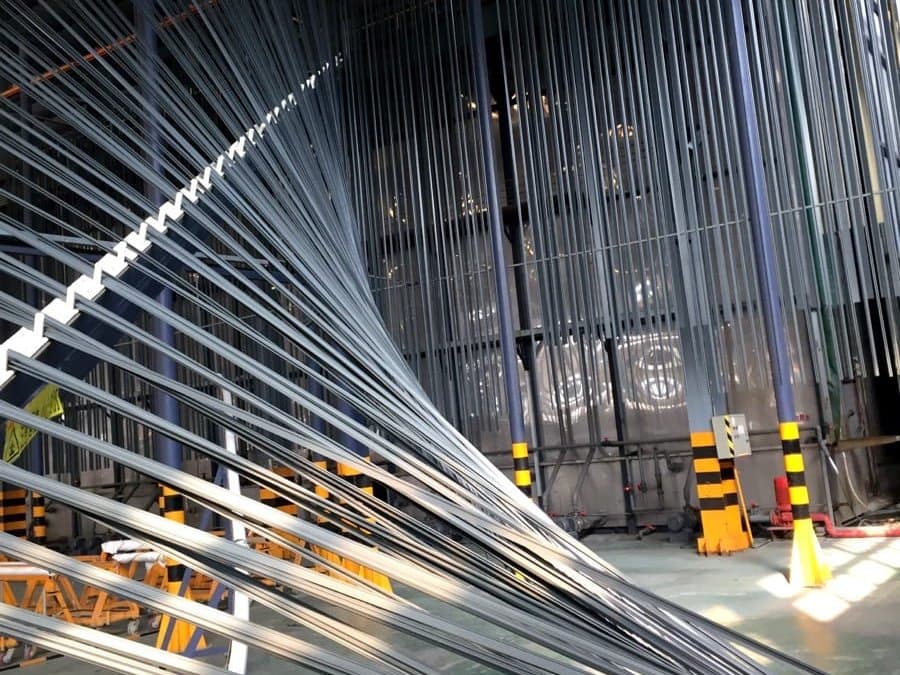
Anodizing and powder coating on lines inside the plant, sequenced around machining so the finish and the features never fight each other.
Order aluminum profiles and combine the operations your application requires in the same quotation.
Small cross-section aluminum profiles for compact designs. Send the section drawing, alloy, wall thickness and required length for a feasibility review.
Blue, red, yellow, green, purple and black color options for small-batch projects. Specify the quantity per color and provide a color sample or reference.
Cutting, hole milling, drilling, welding and stretch bending can be quoted with your profiles. Include hole positions, bend geometry and assembly requirements.
Minimum section size, wall thickness, batch quantity and processing feasibility are confirmed from your drawing. Anodized shades depend on alloy, surface condition and sample approval; white finishes require confirmation of the finishing process.
For your quotation: section drawing · quantity by profile and color · cut lengths · machining or bending drawing · finish reference.
Production is arranged with our own and partner factories, with the scope confirmed for each project.
01What we offer
Clear and coloured anodic films, decorative and protective, at 8–30 µm film thickness.
Colour matched to RAL references or your physical sample, at 60–120 µm film thickness.
Exterior-exposure architectural finishes, or functional industrial specs — stated per order.
Film-thickness measurement and salt-spray testing, with reports issued on request.
02To start a quote, send us
03Frequently asked questions
Anodizing grows a hard oxide film out of the metal itself and keeps a metallic look; powder adds a paint film with a far wider colour range. Exposure, appearance and spec decide it — describe the application and we recommend one, with the class to call out.
Powder coating is matched to a RAL reference or to a sample you send, and we confirm the match with you before the batch runs.
The sequence depends on the drawing, finished dimensions and surfaces that need masking. Machining and finishing are coordinated through our own and partner factories; the process sequence is confirmed for each project.
Film thickness is measured as part of routine QC and salt-spray tests are available; tell us the class or thickness your spec names and the report comes with the shipment on request.